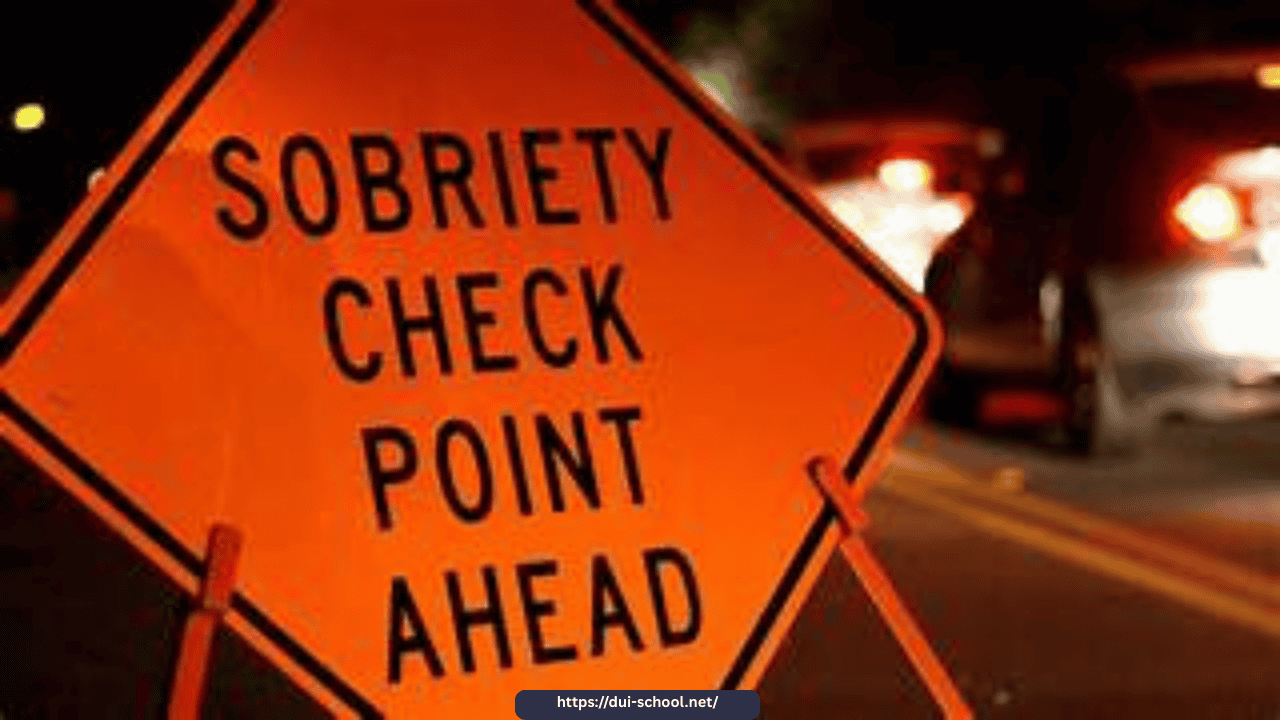
Driving Under the Influence (DUI) is a serious offense with far-reaching consequences, not just for the individual but for the safety of the entire community. DUI incidents often point to deeper issues with alcohol or drug use, and addressing these problems is essential for preventing future offenses. DUI treatment programs provide a structured pathway to sobriety, offering offenders the tools they need to make lasting changes in their lives while contributing to safer roads for everyone.
The Purpose of DUI Treatment Programs
DUI treatment programs aim to do more than fulfill legal obligations. Their primary goal is to address the underlying substance use issues that contribute to impaired driving. These programs combine education, therapy, and support services to help individuals understand the dangers of substance abuse and develop healthier behaviors.
Key components of effective DUI treatment programs include:
- Substance Abuse Education: Participants learn about the physical, psychological, and legal effects of alcohol and drugs.
- Counseling Services: Individual and group therapy sessions allow participants to explore the reasons behind their substance use and develop coping mechanisms.
- Behavioral Therapies: Techniques like Cognitive Behavioral Therapy (CBT) help individuals recognize harmful thought patterns and replace them with healthier alternatives.
- Support Groups: Programs often encourage participation in peer support groups such as Alcoholics Anonymous (AA) or SMART Recovery.
How DUI Treatment Programs Promote Sobriety
Sobriety is not simply about abstaining from alcohol or drugs; it’s about building a sustainable, healthy lifestyle. DUI treatment programs guide participants through this process by focusing on:
- Self-Awareness: Individuals learn to recognize their triggers and understand the consequences of their actions.
- Skill Building: Programs teach stress management, communication skills, and strategies for avoiding high-risk situations.
- Accountability: Regular check-ins, drug and alcohol testing, and progress assessments keep participants on track.
- Relapse Prevention: Developing a personalized relapse prevention plan helps participants maintain their sobriety long after completing the program.
The Impact on Public Safety
By reducing substance abuse among offenders, DUI treatment programs play a critical role in enhancing public safety. Studies show that individuals who complete treatment programs are significantly less likely to reoffend compared to those who only face punitive measures. Fewer impaired drivers on the road mean fewer accidents, injuries, and fatalities.
Moreover, treatment programs often involve community service or victim impact panels, which deepen participants’ understanding of the real-world consequences of their actions. This holistic approach fosters a greater sense of responsibility and empathy, encouraging long-term behavioral change.
A Second Chance for Offenders
DUI treatment programs offer offenders more than just a way to meet court requirements—they provide an opportunity for genuine rehabilitation. Through structured support and education, individuals can break free from the cycle of addiction, regain control over their lives, and contribute positively to their communities.
Conclusion
DUI treatment programs are a critical component of the effort to promote sobriety and ensure safer roads. By addressing the root causes of impaired driving and equipping individuals with the tools they need for lasting recovery, these programs offer hope for both offenders and the broader community. Choosing the path of treatment and recovery transforms a moment of crisis into an opportunity for lasting change.