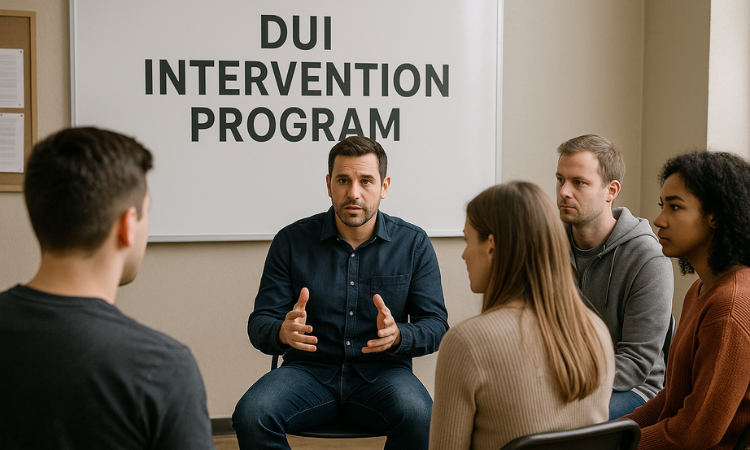
 A DUI can disrupt nearly every part of your life. There may be legal consequences, strained relationships, financial pressure, and difficult questions about what needs to change. Yet the most important question may be the one that is easiest to overlook: what was happening in your life before the DUI occurred? Professional addiction counselling can help you explore that question without judgment and turn a difficult experience into an opportunity for meaningful change. Instead of focusing only on the consequences of a DUI, counselling can help you understand substance use, develop healthier coping skills, and build a practical path toward lasting recovery.
DUI-School focuses specifically on DUI related addiction services and counselling, with its website presenting recovery and counselling as resources for individuals dealing with substance use concerns. For someone who is ready to take responsibility and make a change, professional support can provide structure, perspective, and encouragement during an important transition.
Why a DUI Can Be a Turning Point
A DUI can be frightening and overwhelming. However, it can also bring attention to patterns that may have been developing for months or years.
Looking Beyond the Immediate Consequences
It is natural to concentrate on court dates, driving restrictions, fines, or other consequences after a DUI. Those responsibilities matter, but they do not necessarily address why the behavior happened.
For some people, problematic alcohol or drug use is connected to stress, difficult relationships, emotional pain, peer pressure, or unhealthy routines. Others may not recognize the seriousness of their substance use until a DUI forces them to take a closer look.
Counselling provides an opportunity to examine those patterns honestly and determine what needs to change.
Moving From Shame to Responsibility
Guilt and shame can become significant barriers to recovery. Feeling bad about what happened is understandable, but staying trapped in self-blame rarely creates lasting improvement.
Professional addiction counselling encourages accountability while also recognizing that people can learn, grow, and make different choices. Taking responsibility means acknowledging the consequences of past behavior and deciding what you will do differently moving forward.
How Professional Addiction Counselling Supports Recovery
Effective counselling is not simply about telling someone to stop drinking or using drugs. It is about helping them understand their behavior and develop practical skills for making healthier decisions.
Identifying Triggers and Risky Patterns
Counselling can help individuals recognize situations that increase the likelihood of substance use. These may include stressful workdays, certain social settings, relationship conflicts, loneliness, or emotional distress.
Once these triggers become clearer, it becomes easier to develop a plan for handling them without relying on alcohol or drugs.
Developing Healthier Coping Skills
Stress is part of life, and recovery does not eliminate difficult emotions. Instead, successful recovery involves learning how to respond to those experiences differently.
Counselling can support the development of healthier coping strategies, including communication skills, problem solving, emotional awareness, relaxation techniques, and planning for high risk situations.
These skills can be valuable long after a DUI related program has been completed.
The Connection Between Substance Use and Mental Health
Mental health deserves attention during the recovery process. Anxiety, depression, trauma, chronic stress, and other emotional difficulties can influence how a person responds to challenging circumstances.
Understanding Emotional Triggers
Someone may use alcohol or drugs to temporarily escape uncomfortable thoughts or feelings. Unfortunately, that short term relief can reinforce a pattern that creates additional problems.
Counselling can help individuals recognize the connection between emotions and substance use. With greater awareness, clients can begin finding healthier ways to manage distress.
Knowing When Additional Support Is Needed
Not every person who receives a DUI has an addiction or requires intensive treatment. Likewise, some people may have substance use concerns that require more comprehensive professional care.
A qualified assessment can help determine what level of support is appropriate. Depending on an individual’s circumstances, that may include counselling, addiction treatment, mental health services, peer support, or a higher level of care.
Creating a Personalized Recovery Plan
Recovery works best when it reflects the individual rather than relying on a generic formula.
Setting Realistic Goals
A professional counsellor can help establish practical goals related to sobriety, relationships, work, emotional health, and daily routines. Breaking larger changes into manageable steps can make recovery feel more achievable.
For example, someone may begin by identifying their highest risk situations, establishing healthier routines, and developing a support network.
Building Accountability
Accountability is not about punishment. It is about having a clear understanding of your goals and taking consistent action toward them.
Regular counselling can provide an opportunity to review progress, recognize setbacks, adjust strategies, and reinforce positive changes.
From DUI Requirements to Personal Growth
A court requirement may be what initially brings someone into counselling, but it does not have to be where the process ends.
Using Education as a Foundation
DUI education can help individuals understand impaired driving, substance use, decision making, and the consequences of risky behavior. That knowledge is valuable because informed decisions are an important part of preventing future problems.
However, education alone may not address the personal factors contributing to problematic substance use. Counselling can take the process further by helping individuals apply what they have learned to their own lives.
Turning Insight Into Action
Knowing that drinking and driving is dangerous is different from understanding why you made a particular decision and how you will prevent it from happening again.
Counselling helps bridge that gap. The goal is to turn awareness into practical behavioral change.
Building a Stronger Life After a DUI
Recovery is about more than avoiding another DUI. It is about creating circumstances that make healthier choices sustainable.
Strengthening Relationships
Substance use and a DUI can place considerable stress on relationships. Rebuilding trust takes time, honesty, and consistent behavior.
Counselling can help individuals develop communication skills and understand how their choices have affected the people around them.
Creating Healthy Daily Routines
A stable routine can provide structure during recovery. Regular sleep, meaningful activities, physical activity, healthy relationships, and productive responsibilities can all contribute to greater stability.
Small improvements become important when they are repeated consistently.
Preparing for Future Challenges
Recovery does not mean life will never become stressful again. Instead, it means having better tools for responding when challenges arise.
A strong recovery plan considers potential setbacks before they occur. This preparation can make it easier to recognize warning signs and seek support early.
Taking the Next Step Toward Recovery
A DUI can be a painful experience, but it can also become an opportunity to reassess your relationship with alcohol or drugs and make meaningful changes. Professional addiction counselling provides a confidential setting to explore substance use, understand personal triggers, strengthen coping skills, and develop healthier patterns for the future.
DUI-School’s focus on DUI related addiction services and counselling reflects an important principle: addressing the person behind the DUI matters. The goal should not simply be to get through a difficult period. It should be to understand what happened, take meaningful responsibility, and build the skills and support needed to move forward.
If a DUI has made you question your relationship with alcohol or drugs, consider taking that concern seriously. Reaching out for professional counselling can be the first practical step toward greater stability, healthier choices, and lasting recovery.